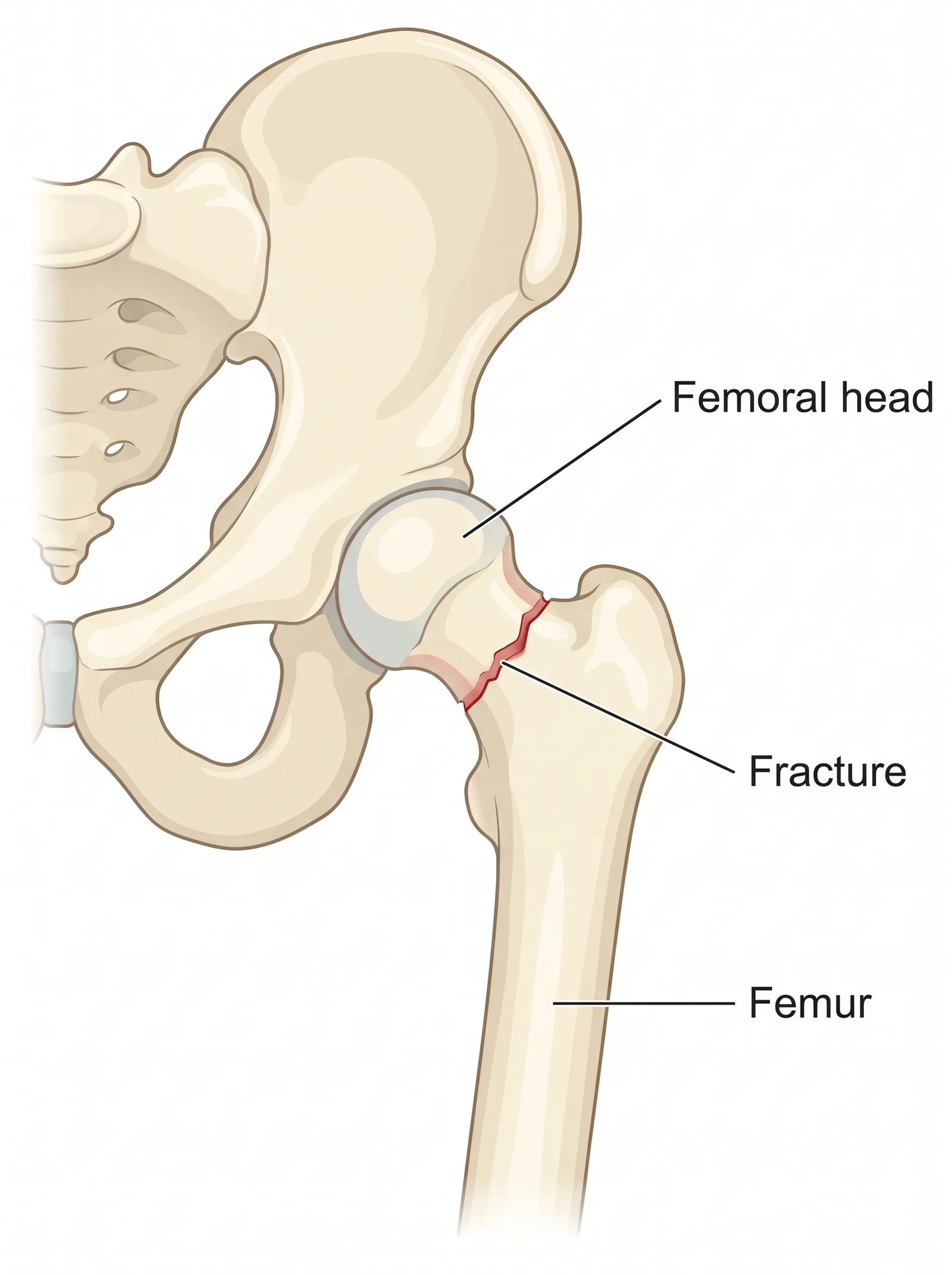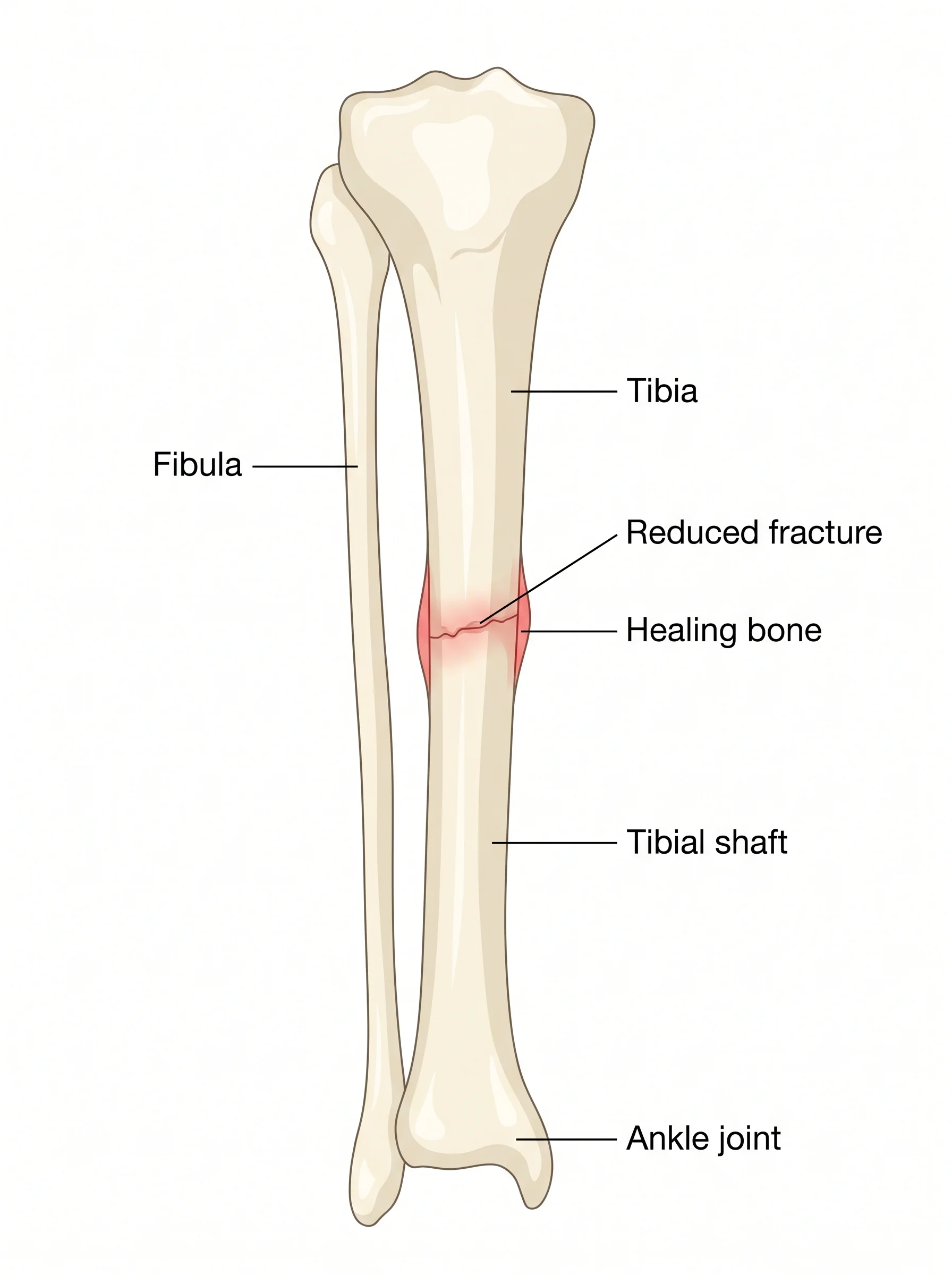
Dr. Suk performs fracture repair in Danville, realigning a broken bone and holding it with hardware such as plates, screws, or rods. It is used for fractures that are unstable, badly displaced, or involve a joint, after simpler measures are ruled out.
Miachel Suk performs fracture repair (orif) in Danville when it is the right step, and reviews every alternative with you first.
What do patients ask most?
What does ORIF stand for?+
Will the hardware stay in my body?+
Which fractures need surgery instead of a cast?+
How long until the bone heals after fracture repair?+
What is Fracture Repair (ORIF)?
Fracture repair, often called open reduction and internal fixation, or ORIF, realigns the broken bone and holds it in place with hardware.
Open reduction means the bone is realigned through an incision; internal fixation means plates, screws, rods, or pins keep it steady while it heals.
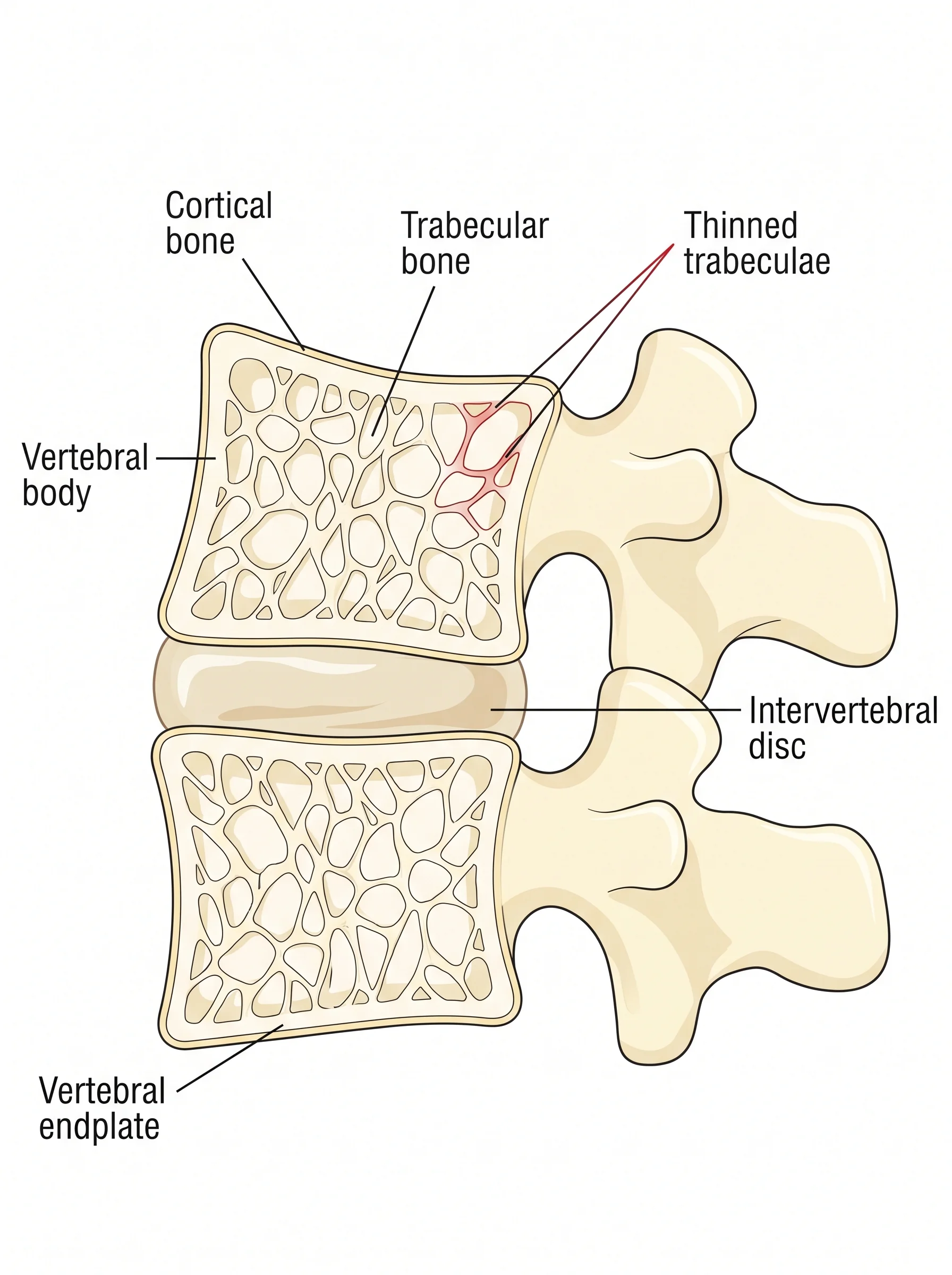
It is used when a fracture will not heal well in a cast, such as when the pieces are badly out of place, the fracture is unstable, or the break involves a joint surface that must be set precisely.
The goal is to hold the bone in good position so it can heal and the nearby joints can move. Not every fracture needs it; many heal without surgery.
What happens during Fracture Repair (ORIF), step by step?
Under anesthesia, the surgeon makes an incision to reach the bone, realigns the pieces, and secures them with hardware chosen for the fracture.
The hardware often stays in place permanently, though it can be removed later if it causes problems. Dr. Suk will explain the specific fixation used and why.
What is recovery like after Fracture Repair (ORIF)?
Recovery depends on which bone was repaired and the fracture pattern.
Bone healing often takes several weeks to a few months, and weight-bearing and motion are advanced gradually during that time, according to general guidance from the American Academy of Orthopaedic Surgeons. These are ranges, not promises. Physical therapy usually helps restore motion and strength, and your surgical team will set the schedule for your fracture.
Read the full guide to preparing for surgery →
Your own recovery instructions come from the office and are specific to you. This page describes the general course, not a plan to follow.
What are the treatment options?
- 01Imaging to confirm the fracture pattern and displacementImaging to confirm the fracture pattern and displacement.
- 02A cast, splint, or brace for fractures that are stable and well alignedA cast, splint, or brace for fractures that are stable and well aligned.
- 03Closed reduction, realigning the bone without an incision, when the pattern allowsClosed reduction, realigning the bone without an incision, when the pattern allows.
- 04Fracture repair with internal fixation, when the fracture is unstable, displaced, or involFracture repair with internal fixation, when the fracture is unstable, displaced, or involves a joint.
Fellowship trained at Hospital for Special Surgery Trauma Fellowship. Sees patients in Danville.
About Miachel Suk →