Osteoporosis is a condition in which bones lose density and become weaker and more likely to break. It usually causes no symptoms until a fracture happens. It can be measured with a simple scan, and it can be managed with nutrition, activity, and medicine to lower the risk of future breaks.
Miachel Suk diagnoses and treats osteoporosis in Danville, from the first visit through recovery.
What do patients ask most?
What do patients ask about Osteoporosis?+
What is Osteoporosis?
Osteoporosis (say: os-tee-oh-puh-ROH-sis) means "porous bone." In this condition, bones lose density and their inner structure thins, so they break more easily than healthy bone.
A bone with osteoporosis can crack from a minor fall, or sometimes from everyday force, that would not harm a stronger bone.
Bone is living tissue that constantly renews itself. Throughout life, the body removes small amounts of old bone and lays down new bone in its place. In youth, more is built than removed, and bones grow strong and dense. Bone density usually peaks in the twenties or thirties. After that, the balance slowly shifts, and bone is removed a little faster than it is replaced.
Osteoporosis develops when this loss speeds up or when peak bone density was low to begin with. There is also a milder, earlier stage called osteopenia (say: os-tee-oh-PEE-nee-uh), which means bone density is below normal but not yet low enough to be called osteoporosis. Osteopenia is a signal to act before further loss occurs.
Osteoporosis matters because of what it can lead to: fractures, most often in the hip, spine, and wrist. A spine fracture can cause height loss and a stooped posture. A hip fracture can affect independence and health. The good news is that osteoporosis can be measured, tracked, and managed. Many fractures can be prevented with the right steps.
An orthopedic surgeon (a doctor who treats bones, joints, and the tissues around them) often meets patients with osteoporosis after a fracture and plays a key part in treating the break and in connecting bone health to future prevention. Managing osteoporosis is teamwork among you, your primary care doctor, and, when a fracture occurs, your orthopedic specialist.
What are the symptoms of Osteoporosis, and when should you see a specialist?
Osteoporosis is often called a silent condition, and for good reason.
Bone loss itself causes no pain. Most people do not know they have it until a bone breaks. That is why awareness of risk matters as much as awareness of symptoms.
When signs do appear, they may include:
- A bone that breaks from a minor fall or bump, sometimes called a fragility fracture. - Loss of height over time. - A stooped or rounded upper back. - Back pain that comes on suddenly, which can be a sign of a spine fracture.
Because the condition is quiet, it helps to know who is more likely to have it. Risk is higher for women after menopause, for people over sixty-five, and for anyone with a family history of osteoporosis or hip fracture. Other factors include a small, thin frame, smoking, heavy alcohol use, long-term use of certain steroid medicines, low calcium or vitamin D, and some medical conditions. Men get osteoporosis too, and it is often overlooked in them.
See a specialist or your doctor to talk about bone health if any of these apply:
- You have broken a bone from a minor fall after about age fifty. - You have lost height, or your posture has become more stooped. - You have several of the risk factors above and have never had a bone density scan. - You have sudden back pain without a clear cause.
You do not need to wait for a fracture to be checked. A bone density scan can find low bone density early, when there is the most opportunity to protect your bones. If you have questions about whether you should be screened, the office can help you decide.
How is Osteoporosis diagnosed, and what does the visit involve?
Diagnosing osteoporosis is straightforward and comfortable.
It centers on your history, an exam, and a bone density scan.
The visit begins with your story. The specialist asks about any past fractures, your family history, your diet and activity, your medicines, and factors like smoking and alcohol. For women, questions about menopause are relevant, since bone loss can speed up around that time. This picture helps judge your risk.
The exam may include measuring your height, since height loss can point to spine fractures, and checking your posture and balance. Balance matters because preventing falls is a large part of preventing fractures.
The main test is a bone density scan, known as a DXA scan (say: DEK-suh), which stands for dual-energy X-ray absorptiometry. It is quick, painless, and uses a very low dose of radiation. You lie on a padded table while a scanner passes over your hip and spine. The scan measures how dense your bones are and gives a result called a T-score, which compares your bone density to that of a healthy young adult. A lower T-score means lower density.
Your specialist may also order blood or urine tests to look for other causes of bone loss, such as low vitamin D or thyroid problems, since treating an underlying cause is part of good care. In some cases, X-rays are done to check for spine fractures that caused no clear symptoms.
By the end, you should understand your bone density result, your fracture risk, and the plan to protect your bones. Ask what your T-score means and what steps fit your situation.
What is the natural course of Osteoporosis?
Understanding how osteoporosis unfolds over time helps explain why early action matters so much.
Bone loss usually begins quietly in midlife. For most people, bone density peaks by the early thirties, then slowly declines. For women, the years around menopause bring a faster drop, because estrogen, a hormone that helps protect bone, falls during that time. Men lose bone too, but usually more gradually and later.
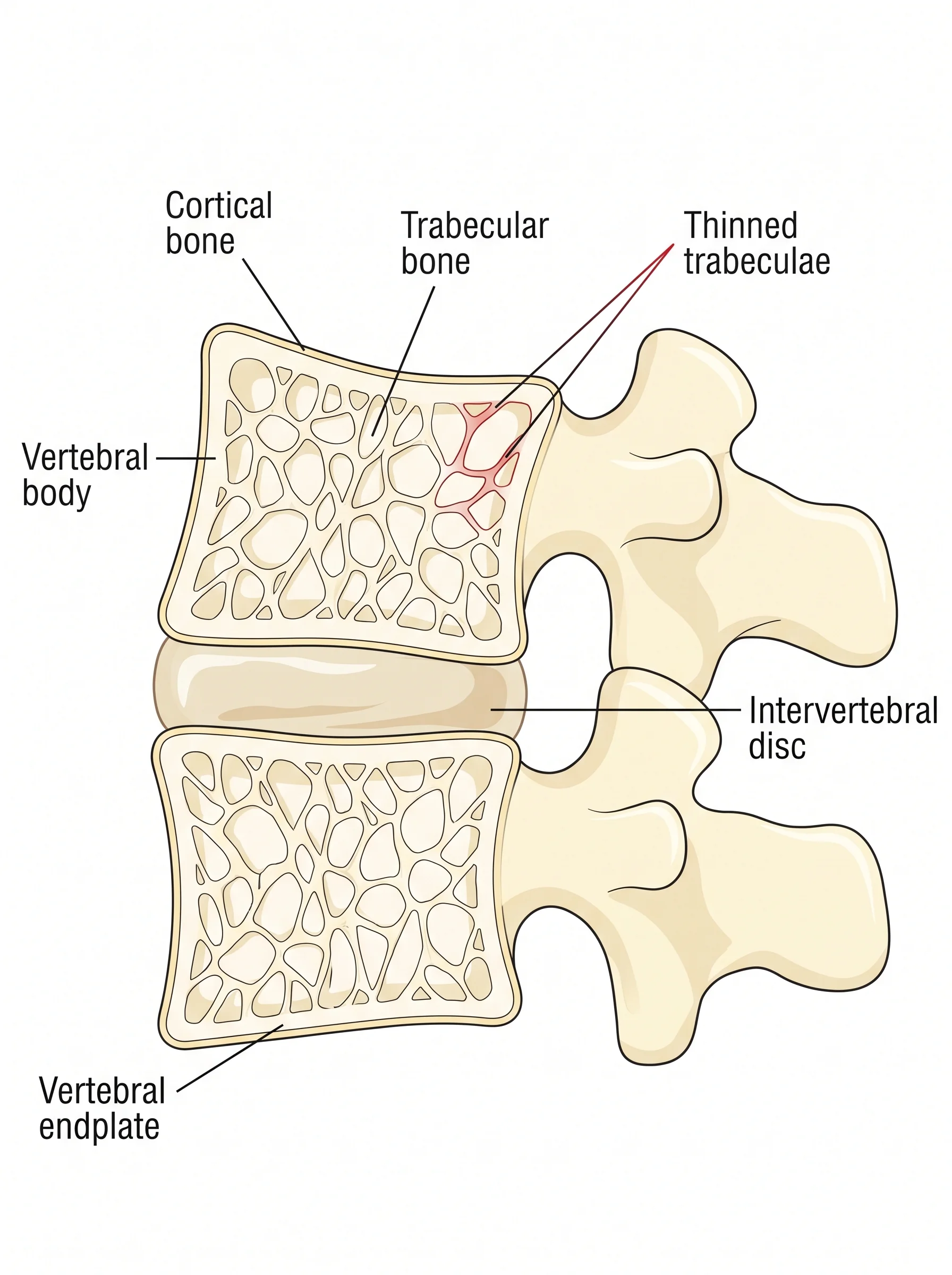
Without action, bone continues to thin. The inner structure of bone, which looks like a honeycomb, develops larger and larger gaps. The outer shell of bone becomes thinner. At first this causes nothing you can feel. But as density falls, the bone reaches a point where ordinary stresses can cause a break.
The first fracture is often a turning point. Once a fragility fracture happens, the risk of another rises, per general guidance from the American Academy of Orthopaedic Surgeons (AAOS). A spine fracture, for example, raises the chance of further spine fractures. This is why treating osteoporosis after a first break is so important, and why doctors talk about preventing the "second fracture."
The encouraging part is that this course can be changed. Bone loss is not a one-way street that cannot be slowed. With nutrition, exercise, fall prevention, and, when needed, medicine, many people stabilize their bone density and lower their fracture risk. Some treatments help rebuild bone. The path osteoporosis takes depends a great deal on the steps taken to manage it.
What is the recovery timeline for Osteoporosis?
Osteoporosis is managed over the long term, so progress is measured by what changes in your bones and your risk, not by a quick calendar.
The ranges below reflect general guidance from the American Academy of Orthopaedic Surgeons (AAOS) and are ranges, not promises.
Early stage, the first months. The goal is to build the habits that protect bone: enough calcium and vitamin D, regular weight-bearing activity, and a safer home. You are making progress when you are taking any prescribed medicine as directed, when your vitamin D level is in a healthy range, and when you have reduced fall hazards at home. Much of the early gain is in prevention you cannot yet see on a scan.
Middle stage, the first one to two years. The goal is to stabilize bone density. Medicines that protect bone take time to show their effect. You are progressing when a follow-up DXA scan shows density that is steady or improved rather than declining, per general AAOS guidance, and when you have had no new fractures. Balance and strength gains from exercise also show here.
Ongoing stage, years two and beyond. The goal is lasting bone health. You are doing well when your fracture risk stays low, when scans remain stable, and when you keep up the activity, nutrition, and safety habits that support bone. Your doctor may adjust medicines over time, and some treatments are given for a set period and then reviewed.
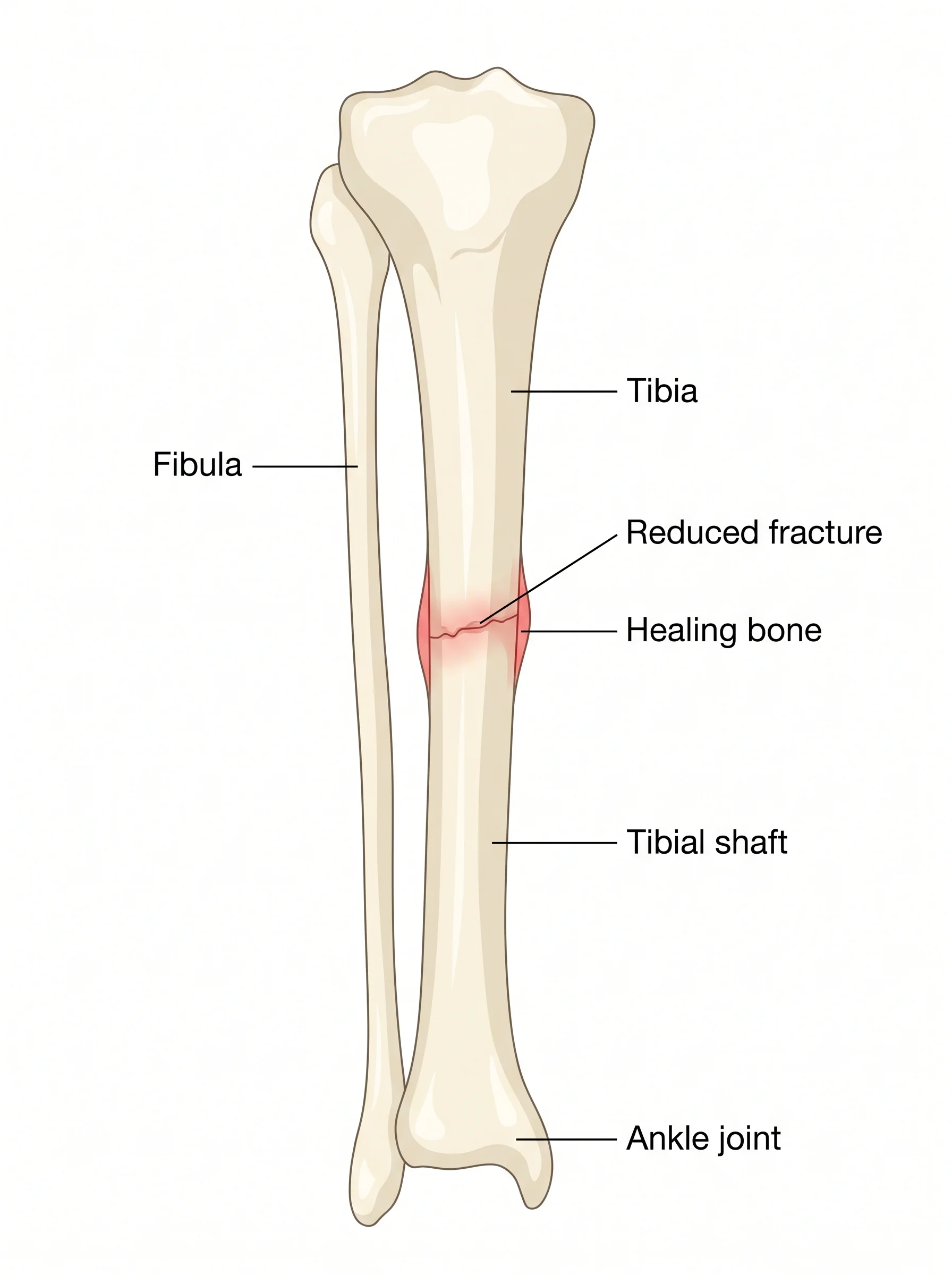
If you are recovering from an actual fracture caused by osteoporosis, that bone heals on the fracture timeline described on our fracture pages, while the osteoporosis itself is managed on this longer arc. Milestones that show real progress include stable or improved scans, no new fractures, better balance and confidence in moving, and staying independent in daily life. These come on your own timeline, per general AAOS guidance, and are ranges, not promises.
How should you prepare for your visit?
A little preparation helps you get the most from a bone health visit.
Before you come in, gather your history. Note any past broken bones and how they happened, especially breaks from minor falls. Write down your family history of osteoporosis or hip fracture. List all your medicines and supplements, including any steroids, since some affect bone. Note how much calcium-rich food you usually eat and whether you take vitamin D.
Think about your daily activity and your home. Be ready to describe how active you are and whether you have had any falls or near-falls. If you have felt unsteady, say so. This helps guide fall-prevention advice.
If you are having a DXA scan, wear comfortable, loose clothing without metal zippers or buttons near the hip and spine, since metal can affect the images. The scan is quick and you stay dressed. You can eat normally before it, but avoid calcium supplements on the day of the scan if your office advises, since they can affect readings; ask ahead.
Prepare your questions. Helpful ones include: What is my T-score and what does it mean? What is my risk of fracture? How much calcium and vitamin D do I need? Do I need medicine, and if so, how is it taken and for how long? How can I make my home safer? When should I have my next scan? Writing these down means you leave with clear guidance.
If you have questions about what your insurance covers for scans or medicines, our office staff can help you sort that out. Just ask them.
Which warning signs should you call about?
Osteoporosis itself is quiet, but certain signs deserve prompt attention, and some relate to fractures or to medicine.
Call the office, or seek care, if you notice:
- Sudden back pain without a clear cause, especially sharp pain when you bend, lift, or stand. This can be a sign of a spine fracture and should be checked. - Any bone that breaks from a minor fall or bump. Report it, since it changes your risk and your plan. - A new loss of height or a more stooped posture that you or others notice.
Seek emergency care for a suspected hip fracture, which usually causes severe hip or groin pain and trouble standing or walking after a fall. A hip fracture needs prompt treatment.
If you take medicine for osteoporosis, tell your doctor about any new or unusual symptoms, such as ongoing thigh or groin pain, or jaw pain or a dental problem, since certain medicines have rare effects worth checking. Do not stop a medicine on your own; call and ask.
The simple rule is this: any new fracture, sudden unexplained back pain, or new medicine concern is worth a call. Keep your care team's number handy, and know where the nearest emergency room is. For routine questions about diet, exercise, or your next scan, the office can help during regular hours. No question about your bone health is too small to ask.
What results can you expect from Osteoporosis?
Osteoporosis can be managed well, and treatment lowers the risk of fractures.
The findings below reflect general guidance from the American Academy of Orthopaedic Surgeons (AAOS) and are general ranges, not promises about any one person.
A few points help set fair expectations:
- Treatment reduces fracture risk. According to general AAOS guidance, medicines used for osteoporosis, along with calcium, vitamin D, and exercise, lower the chance of future fractures. The benefit builds over months to years of steady treatment. - Bone density can stabilize or improve. Follow-up DXA scans in people who stick with treatment often show steady or better density over one to two years, per general AAOS guidance. These are ranges, not promises. - Preventing a second fracture is achievable. After a first fragility fracture, the risk of another is higher, per general AAOS guidance, but active treatment and fall prevention meaningfully lower that risk. - Fall prevention has a large effect. Since most osteoporotic fractures follow a fall, home safety, balance training, and vision care play a major role in outcomes.
Your own results depend on your bone density, your history, how consistently you follow the plan, and steps to prevent falls. Osteoporosis is a long-term condition, and the strongest outcomes come from steady habits kept up over years, not from any single treatment. We will track your bones with periodic scans and adjust the plan so your bones stay as strong as they can be and your fracture risk stays low.
What are the treatment options?
- 01Calcium and vitamin DCalcium is the mineral that gives bone its hardness, and vitamin D helps the body absorb it. Your specialist can advise how much you need from food and, if needed, supplements.
- 02Weight-bearing and strengthening exerciseActivities like walking, and gentle resistance exercise, signal bone to stay strong. Balance exercises lower the chance of falling.
- 03Stopping smoking and limiting alcoholBoth weaken bone and raise fracture risk.
- 04Fall prevention at homeRemoving loose rugs, adding grab bars, improving lighting, and having vision checked all help prevent the falls that lead to fractures.
Fellowship trained at Hospital for Special Surgery Trauma Fellowship. Sees patients in Danville.
About Miachel Suk →